
Published 2026-07-09
Keywords
- Crop,
- Dwarf Wheat,
- Plant-Breeding
How to Cite
Abstract
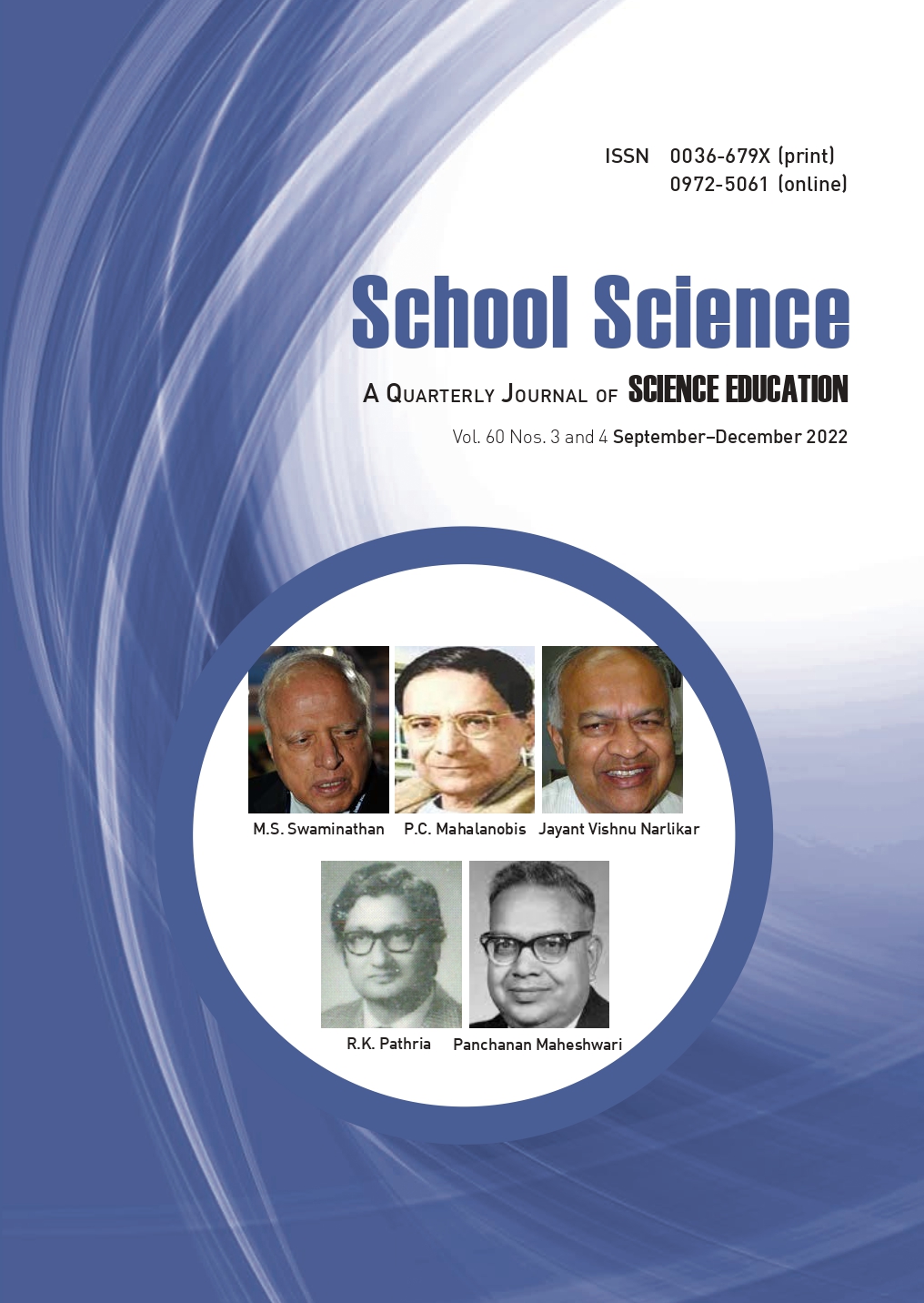
Dr. M. S. Swaminathan was an Indian geneticist, agricultural scientist and an international administrator. He is renowned for his leading role in the Green Revolution in India, which caused a substantial increase in wheat and rice production, making India self-sufficient in food grains. He served as the Director General of the Indian Council of Agricultural Research and Principal Secretary of the Ministry of Agriculture and Irrigation. In this article, Dr. Swaminathan provides a detailed account about the significant research findings in India in the 60s in the improvement of crop varieties, especially with the development and success of the Dwarf Wheat variety in India. The article takes us through a journey of how scientific wheat improvement started in the Indian Agricultural Research Institute (IARI) and led to the development of wheat variety with greater yield and resistance to diseases. It discusses how the discovery of genes which confer a dwarf and non-lodging plant habit in Japan opened the door to the reconstruction of the morphology of the wheat plant. The article elaborates how these varieties were tested in all the wheat growing states of India during 1963–64 and 1964–65, under the All-India Coordinated Wheat Improvement Project and how these varieties were subjected to detailed physiological, pathological, chemical and agronomic tests at the IARI. A brief descriptions of the newly developed strains that were successfully used during that time have also been provided in the article.